
Now Reading: Understanding Cat Behavior: Decoding Feline Actions
-
01
Understanding Cat Behavior: Decoding Feline Actions

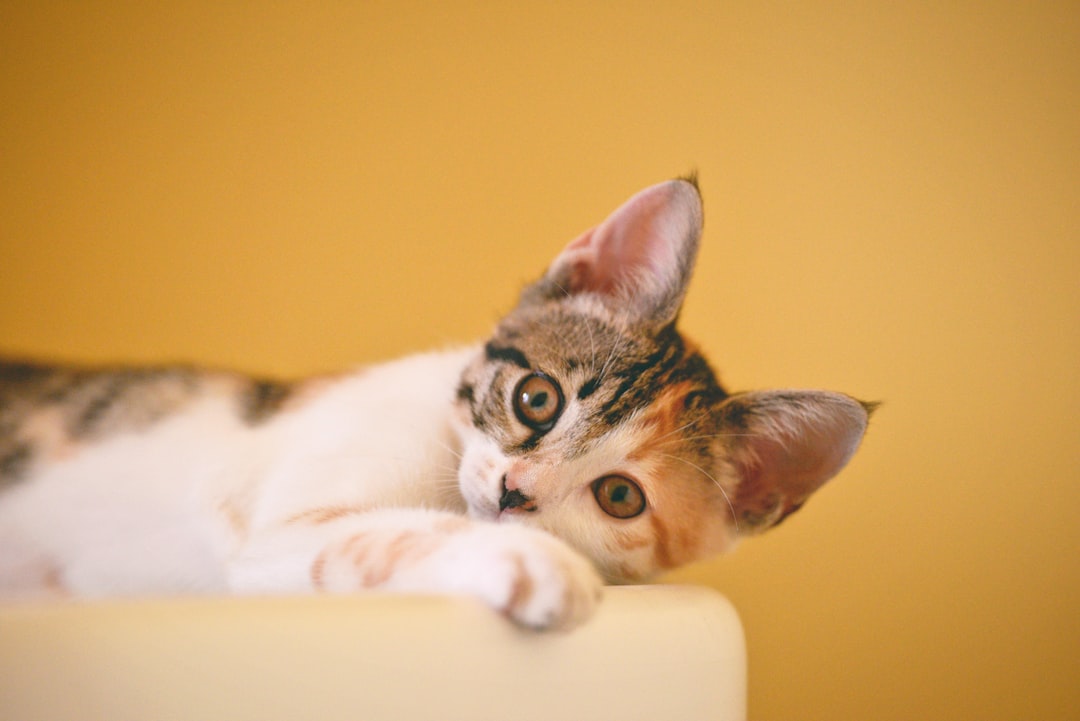
A Comprehensive Look at Cat Behavior & Communication As a cat owner and enthusiast, I have always found the various ways that our feline friends communicate to be fascinating. In contrast to humans, cats use a wide range of intricate behaviors, sounds, and body language to convey their intentions and feelings rather than speaking. The different facets of cat communication, such as tail movements and vocalizations, will be discussed in this article along with how comprehending these cues can improve our relationship with our cherished pets. A cat’s tail is among its most expressive body parts. I’ve frequently noticed how my cat’s tail movements can express a variety of thoughts and feelings.
Key Takeaways
- Cats use tail movements to communicate their emotions and intentions.
- Meows, purrs, and hisses are vocalizations that convey different messages from cats.
- Ears, eyes, and posture are important indicators of a cat’s body language.
- Purring can signify comfort and contentment, but it can also indicate distress in some cases.
- Kneading and head-butting are behaviors that show affection and comfort from cats.
For example, my cat shows confidence and happiness when it comes toward me with its tail held high. She is eager to interact with me and appears to feel secure based on this posture. On the other hand, a low tail or one tucked between her legs conveys a sense of fear or submission. These subtle clues reveal her emotional state, so I’ve learned to pay attention to them.
Also, a cat’s mood can be inferred from the speed and style of its tail movements. While a fast flicking motion frequently denotes agitation or irritation, a slow swish could mean that my cat is feeling calm or reflective. I recall my cat sitting on the windowsill and observing the birds outside.
She was clearly excited but frustrated by her inability to chase them, as evidenced by the quick flicking of her tail. I now have a better grasp of my cat’s needs and feelings thanks to my careful observation of these tail movements. Another important component of feline communication that I’ve learned to value is vocalizations. Cats make many different sounds, each with a distinct function.
| Behavior | Description |
|---|---|
| Purring | Expresses contentment, but can also indicate pain or distress |
| Hissing | Sign of fear, aggression, or discomfort |
| Meowing | Communication with humans, can indicate hunger, attention seeking, or discomfort |
| Kneading | Shows relaxation and contentment, often associated with kitten behavior |
| Tail position | High and straight indicates confidence, low and tucked between legs indicates fear or submission |
A longer, drawn-out meow could mean she’s lonely or wants to play, but a short, sharp meow usually means she wants my attention or is asking for food. I think it’s amazing how she’s evolved distinctive vocal patterns that I can identify over time. Another vocalization that has piqued my interest is purring. I’ve discovered that purring can also indicate discomfort or distress, even though many people associate it with contentment.
For example, my cat may purr quietly as a self-soothing technique when she is ill or nervous. I’m now more aware of her general demeanor & body language to gauge whether she’s genuinely happy or if something is wrong because of this duality in her purring. I can more effectively address her needs & feelings if I listen carefully to her vocalizations. Cats use body language to communicate in addition to vocalizations and tail movements.
I’ve discovered that paying attention to my cat’s ears can reveal a lot about her mood. She is showing interest or curiosity in her environment when her ears are pricked up and pointed forward. But if her ears are pressed flat against her head, it usually indicates that she is agitated or feels threatened. By identifying when she needs space, this knowledge has enabled me to make her environment more comfortable.
Important information can also be inferred from my cat’s eye position. She frequently uses a slow blink to show affection & trust, and I’ve learned to return the favor to deepen our relationship. However, wide-open eyes can also be a sign of surprise or fear. Being aware of these subtle body language clues helps me to better interpret her emotional state and react accordingly. One of the most recognizable cat sounds is purring, but there are several different interpretations of what it means.
I used to think that purring was only a sign of happiness, but I’ve learned from my experiences that this isn’t the case. For example, it is evident that my cat feels secure and happy in my company when she is curled up on my lap & purring softly. I’m so happy right now because I know she believes in me. But I’ve also seen my cat purr when she’s exhibiting symptoms of discomfort or distress.
She purred apprehensively, for instance, while being examined at the vet. I learned from this experience that a cat’s purring can be a comforting mechanism as well as a signal to people to take notice of their wellbeing. I’ve been able to give her the support she requires by being more aware of her general behavior when she purrs as a result of realizing this complexity. Two of my cat’s behaviors that I find especially cute are kneeling and head-butting. She frequently pushes her paws in and out against soft surfaces, such as my lap or blankets, when kneading.
This behavior is similar to how kittens knead their mother’s belly to encourage the flow of milk. In addition to representing comfort and contentment, seeing my cat kneading reminds me of our early days together. Head-butting, also known as “bunting,” is another loving gesture that I prize. The soft bump of my cat’s head against mine is like a cozy hug. She is claiming me as part of her territory by marking me with her scent in addition to showing me her affection.
My appreciation for our relationship has grown as a result of learning about these behaviors, which also support the notion that cats show love in their own special ways. How Important Scratching Is. I’m protecting my furniture and letting my cat’s instincts run wild at the same time.
Cats scratch a lot, and by giving them a good outlet, I can divert their energy from my possessions. Going Beyond Scratching to Mark Territory. Rubging against objects and, in certain situations, leaving scent marks through urine marking are examples of marking behavior in addition to scratching. In addition to wanting attention, my cat marks her territory by rubbing against me or furniture and leaving her scent behind.
Establishing a Secure Setting. Knowing this behavior has inspired me to create a safe environment for her & has helped me recognize the significance of scent marking in feline communication. I may strengthen my relationship with my cat and give her a happy, healthy home by acknowledging and allowing her natural behaviors. Cat aggression can be confusing and worrisome for any owner. During playtime or when startled, my normally calm cat has occasionally exhibited aggressive behavior.
It is crucial to understand that cats are naturally aggressive during play; they are hunters by nature and frequently imitate hunting behaviors. Knowing this has enabled me to give her constructive ways to express her energy through play sessions and interactive toys. But it can be hard to tell the difference between real aggression and play aggression. My cat usually shows fear or discomfort rather than malice when he hisses or swats at another pet or person.
By paying close attention to her body language, such as her dilated pupils or flattened ears, I can better judge the situation & take appropriate action. This knowledge has enabled me to make the home a more peaceful place for all of the pets. In the end, patience and focus are necessary for productive communication with my cat. I’ve gained a better grasp of her needs and feelings by paying close attention to her body language, vocalizations, & behaviors.
Having this awareness has made it easier for me to react to her cues, whether it’s playing with her when she’s feeling energized or offering consolation in trying times. Respecting and understanding my cat’s distinct communication styles is essential to developing a close relationship with her. I have created an atmosphere where she feels safe and loved by taking the time to get to know her preferences and behaviors. I am reminded that every encounter with my cat is a chance to deepen our bond & improve our shared experiences as I continue to work through the challenges of feline communication.
To sum up, learning about feline communication is a continuous process that involves exploration and education. My understanding of my cat’s emotional world has improved as a result of my attention to body language, vocalizations, tail movements, and other behaviors like scratching & purring. This information not only improves our relationship but also makes it easier for me to give her the attention and company she needs.
If you’re curious about why cats purr, you should check out this article on why cats purr. Understanding the reasons behind this common feline behavior can provide insight into your cat’s emotions and well-being.
FAQs
What are some common cat behaviors?
Some common cat behaviors include scratching, kneading, grooming, hunting, and marking territory.
Why do cats scratch furniture and other objects?
Cats scratch to sharpen their claws, stretch their muscles, and mark their territory with scent glands located in their paws.
What does it mean when a cat kneads?
Kneading is a behavior that cats often display when they are feeling content or relaxed. It is thought to be a leftover behavior from kittenhood when they kneaded their mother’s belly to stimulate milk flow.
Why do cats groom themselves so often?
Cats groom themselves to keep clean, regulate body temperature, and distribute natural oils throughout their fur. It also helps them to relax and relieve stress.
What are some signs of aggression in cats?
Signs of aggression in cats can include hissing, growling, swatting, biting, and puffing up their fur. It’s important to understand these signs and address the underlying cause of the aggression.
How do cats communicate with each other?
Cats communicate with each other through body language, vocalizations, and scent marking. They use these methods to establish territory, show affection, and express their emotions.


