Why Do Cats Sleep So Much? How Much Is Normal

In this guide
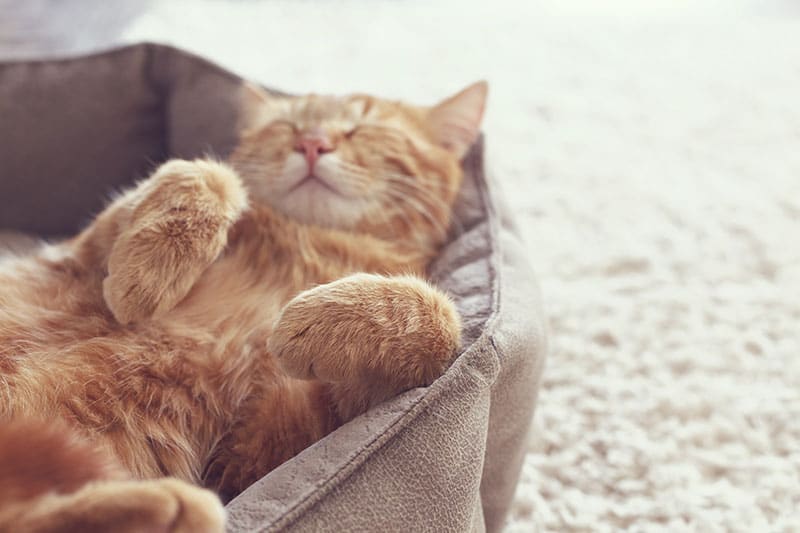
The short answer: cats are built to sleep a lot. A survey reported by the Sleep Foundation found that more than half of cats sleep between 12 and 18 hours a day, and nearly 40% sleep more than 18 hours. Most of that is light dozing. Cats naturally save their energy for short bursts of activity, mainly around dawn and dusk. What matters isn’t the number of hours, but whether your cat’s normal pattern changes.
How many hours a day do cats sleep?
| Cat | Typical sleep |
|---|---|
| Kittens | Most of the day, often waking only to feed and play in short bursts |
| Adult cats | Often 12 to 18 hours a day, and some sleep even more |
| Senior cats | Usually more than when they were younger |
Every cat is different. A young, active indoor cat might sleep less than a calm 12-year-old. A bored cat may also sleep more than one with plenty to do. The Sleep Foundation notes that as cats grow older, most sleep more each day than they did when younger.
Why do cats sleep so much?
They’re built to save energy for the hunt
Cats are predators. In the wild, they spend their energy in short, intense bursts of stalking, chasing and pouncing, then rest to recover. Pet cats still have that same rhythm, even if their “hunting” is now a wand toy or the food bowl.
Most of it is light sleep
Much of a cat’s sleep is light, non-REM sleep. The Sleep Foundation describes it as a state where your cat is lightly asleep and ready to wake at a moment’s notice. That’s why a “sleeping” cat’s ears still swivel at noises, and why it can go from asleep to wide awake in a second. During deeper REM sleep, cats may twitch or go floppy, a bit like dreaming.
They’re most active at dawn and dusk
Cats are crepuscular. The Sleep Foundation describes two peaks of activity: one in the early morning before sunrise and one in the evening around sunset. That’s why many cats nap through the middle of the day, then race around the house at 5 a.m. or 9 p.m. and wake their owners for breakfast.
Boredom and routine
Indoor cats with little to do often sleep out of boredom, and cats also nap more in cold or rainy weather. A sleepy cat isn’t a problem in itself, but daily play sessions keep cats fit, help prevent weight gain and can improve their night-time sleep. See our list of cat toys worth buying.

Why does my cat sleep with me (or at my feet)?
Many cats like to sleep on or next to their owners. You’re warm, you smell familiar and you’re safe, and cats that are bonded often sleep together. Sleeping at your feet or against your legs gives your cat warmth and closeness, plus an easy escape route if it wants to leave. It’s generally a sign of trust and affection. Some cats show affection by grooming their owners too. See why your cat licks you.
How to help your cat sleep at night instead of waking you
- Play hard in the evening. A 10 to 15 minute session with a wand toy before bed tires most cats out.
- Feed a meal after play, close to your bedtime. Hunting, then eating, then sleeping is a natural cat rhythm.
- Don’t reward early wake-up calls with food or attention, or your cat will learn to do it more.
- Use an automatic feeder for an early breakfast, so your cat waits on the feeder instead of on you.
When sleeping a lot could mean something is wrong
The number of hours matters less than a change from your cat’s normal. The Sleep Foundation notes that unusual sleep, or unusual wakefulness, can point to an underlying health condition. Talk to your vet if your cat:
- suddenly sleeps much more than usual, or is hard to wake
- seems lethargic or weak when awake, or hides away
- is eating or drinking less, or much more, than usual
- is losing or gaining weight
- has changes in its litter tray habits
- seems restless, confused or awake at night when it didn’t used to be (common in older cats)
- shows signs of pain, such as reluctance to jump, a hunched posture or limping
In older cats, sleeping more is often normal, but conditions like arthritis, kidney disease and hyperthyroidism become more common with age, so changes are worth a check. Our guide to cat years and ageing explains how a cat’s age compares with a human’s. If your cat is also off its food or vomiting, see why cats throw up and when to worry.
FAQs
How many hours a day do cats sleep?
Most cats sleep somewhere between 12 and 18 hours a day, and many sleep even more, especially kittens and older cats. Much of that is light dozing.
Is it normal for my cat to sleep all day?
Usually, yes. Cats often sleep through the day and are most active at dawn and dusk. It’s only a concern if it’s a change from your cat’s normal routine, or comes with other signs like poor appetite or hiding.
Do cats sleep more as they get older?
Yes. Most cats sleep more as they age. But new or sudden changes in an older cat’s sleep, especially with weight loss, more thirst or confusion, should be checked by a vet.
Why is my cat so active at night?
Cats are naturally most active around dawn and dusk. More play in the evening, a meal before bed and not rewarding early wake-ups usually help.
Do cats dream?
Cats go through REM sleep, the stage linked to dreaming in people. During it they may twitch their paws, whiskers or tail. We can’t know what they dream about, but it’s perfectly normal.
Sources
- Sleep Foundation: How much do cats sleep?