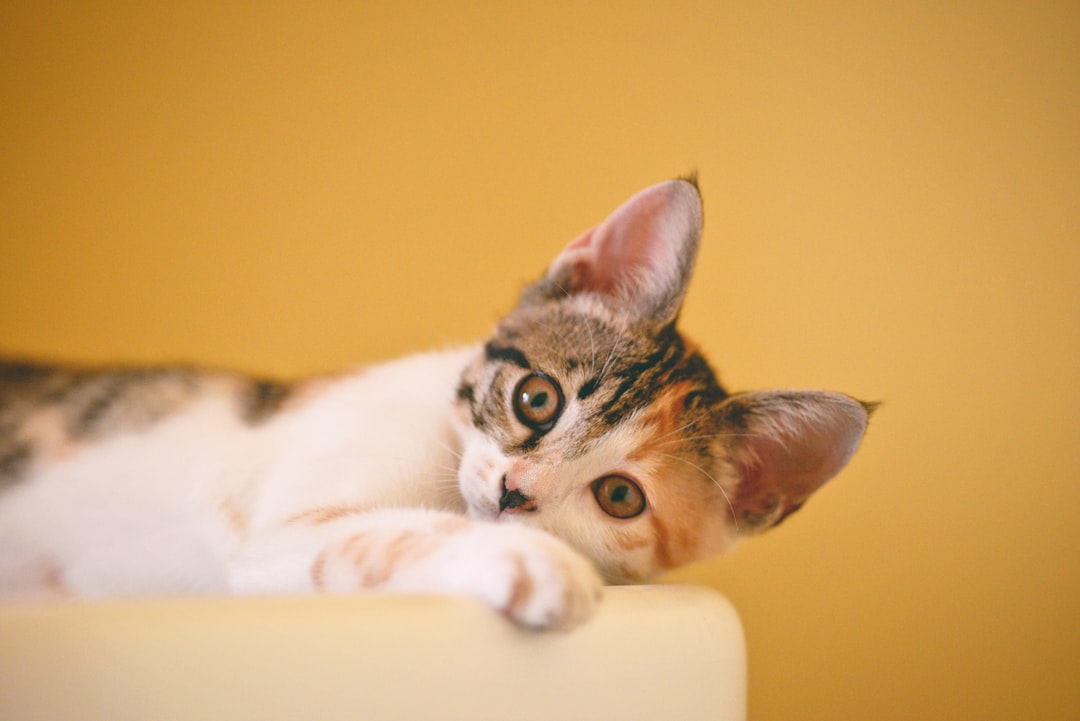
Why Does My Cat Bite Me? Reasons and How to Stop It


In this guide
- Why does my cat bite me when I pet her?
- Why does my cat bite me then lick me?
- Why does my cat bite me gently out of nowhere?
- Why does my kitten bite so much?
- Why does my cat attack my ankles?
- Why does my cat bite me when I rub its belly?
- Other reasons cats bite
- What to do after a cat bite
- When to see a vet about biting
- FAQs
- Sources
The short answer: most cats that bite their owners aren’t being nasty. The usual reasons are too much petting (the cat gets overstimulated), play (especially in kittens that learned to treat hands as toys), a gentle “love bite” during grooming or cuddles, or pain. Cats nearly always give warning signs first, like a twitching tail, ears turning back, rippling skin or wide pupils. Learning to spot those signs stops most bites.
Why does my cat bite me when I pet her?
This is the most common kind of bite, and it often seems to come out of nowhere. Your cat is purring on your lap, then suddenly bites your hand and jumps off.
It’s usually petting-induced aggression, or overstimulation. Stroking that felt nice at first starts to feel too much, and the cat runs out of patience. Many cats only enjoy a limited amount of petting, especially along the back and tail or on the belly.
The Cornell Feline Health Center says cats usually show dilated pupils, tail lashing and ears moved backward before biting. When you see any of these, stop petting and give your cat some space.
Warning signs to watch for while petting:
- The tail starts twitching or thumping
- The ears swivel sideways or flatten back
- The skin ripples along the back
- The cat turns its head to look at your hand
- Pupils get bigger
- The cat stops purring or shifts position
How to prevent it:
- Keep petting sessions short. Stroke a few times, pause, and let your cat ask for more by nudging your hand.
- Stick to the head, cheeks and chin. Most cats enjoy these spots more than the back, tail or belly.
- Stop at the first warning sign. Just stop moving your hand, or stand up gently.
- Let your cat come to you, rather than picking it up for a cuddle.
Why does my cat bite me then lick me?
A bite followed by a lick, or a lick followed by a bite, is usually grooming behaviour. Cats that groom each other often mix licking with little nibbles, especially around the head and neck. Your cat may be treating you like another cat in its family.
It can also mean “that’s enough”. A cat that’s being handled more than it likes may lick first and then give a nip to make the point. If the bites are gentle and don’t break the skin, it’s usually affection. If they’re getting harder, treat it like overstimulation and stop.
Why does my cat bite me gently out of nowhere?
Gentle bites that don’t hurt are often called love bites. They usually happen when your cat is relaxed and affectionate. They’re common during cuddles, when your cat is kneading, or when it’s grooming you. Some cats also give a gentle nip to get your attention, for example when it’s time for dinner.
If your cat has never bitten before and suddenly starts, especially when you touch a particular spot, pain could be the cause. Cornell notes that cats in pain may act aggressively to avoid being touched. Arthritis, dental disease and injuries are common culprits, so a vet check is a good idea.
Why does my kitten bite so much?
Kittens learn how hard is too hard by playing with their littermates. Cornell explains that cats learn they’re biting or scratching too hard when their littermates stop playing or fight back. Kittens taken from their litter very young, or played with roughly using bare hands, often never learn that lesson.
How to stop a kitten biting:
- Never use your hands or feet as toys. Use wand toys, kickers and balls instead. Cornell advises keeping distraction toys away from your hands.
- Stop playing the moment teeth touch skin. Go still, say nothing, and calmly end the game for a minute.
- Give plenty of play time, especially in the evening. A tired kitten bites less. See our list of cat toys worth buying.
- Consider a second kitten. Two kittens often teach each other good manners.
Kittens also chew more when they’re teething, at around 3 to 6 months. Our guide to kitten teething explains what helps.
Why does my cat attack my ankles?
Pouncing on feet and ankles is usually play or hunting behaviour, especially in young, indoor or bored cats. Moving feet look like prey. More play sessions, toys to chase and puzzle feeders usually help. Cornell also warns against physical punishment, because it can make a cat more fearful and the aggression worse.
Why does my cat bite me when I rub its belly?
Many cats roll over to show their belly as a sign of trust, not as an invitation. The belly is a vulnerable spot, so lots of cats instinctively grab and bite when it’s touched. This “belly trap” is normal. Admire the belly, but stroke the head instead.
Other reasons cats bite
- Fear. A frightened cat that can’t escape may bite. Give scared cats hiding places and time.
- Redirected aggression. A cat that is upset by something it can’t reach, such as another cat outside the window, may lash out at the nearest person. Cornell suggests removing or blocking the trigger. Give the cat time to calm down before touching it.
- Stress. Changes at home, new pets or moving house can make cats more irritable. See our guide to cat anxiety.
- Being held or restrained. Many cats dislike being held tightly. Let them choose to stay on your lap.
What to do after a cat bite
Cat bites look small, but they can be serious. Cats’ teeth are sharp and narrow, so they push bacteria deep under the skin. The Cleveland Clinic cites a study in which 30% of people treated for a cat bite to the hand were admitted to hospital.
- Rinse the bite under running water, then wash it gently with soap and water.
- Stop any bleeding with a clean cloth, and cover it with a clean dressing.
- See a doctor within about eight hours if the bite broke the skin, which is the Cleveland Clinic’s advice to cut the risk of infection. This matters especially for bites on the hand or over a joint, or if you have diabetes or a weakened immune system. You may need antibiotics or a tetanus booster.
- Watch for infection: redness, swelling, increasing pain or a fever. Infection can start within a few hours.
If a cat you don’t know bites you, or your cat’s vaccination status is unknown, get medical advice about rabies risk where you live.
When to see a vet about biting
Book a vet visit if:
- biting starts suddenly in a cat that never used to bite
- your cat bites when you touch one particular area
- biting comes with hiding, a change in appetite, limping or other changes
- biting is getting more frequent or more serious
Your vet can check for pain or illness, and may refer you to a veterinary behaviourist if needed.
FAQs
Why does my cat bite me for no reason?
There’s almost always a reason, even if it’s subtle: overstimulation from petting, play, a love bite, wanting attention, fear or pain. Watching your cat’s tail, ears and skin just before a bite usually reveals the pattern.
Is it normal for cats to bite their owners?
Gentle play bites and love bites are common and normal. Bites that break the skin, or a sudden change in biting, aren’t normal and are worth discussing with your vet.
Do cats bite to show affection?
Yes. Gentle nibbles during grooming or cuddles, often mixed with licking, are a sign of affection. They shouldn’t hurt.
How do I stop my cat from biting me?
Keep petting short, stop at the first warning sign, never play with bare hands, give plenty of play with toys, and don’t punish your cat. If biting is new or getting worse, have your vet check for pain.
Should I punish my cat for biting?
No. Cornell warns that physical punishment can increase fear and anxiety and make aggression worse. Calmly end the interaction instead, and redirect play to toys.
Sources
- Cornell Feline Health Center: Feline behavior problems: aggression
- Cleveland Clinic: Cat bites and scratches