Now Reading: Mastering the Art of Cat Grooming
-
01
Mastering the Art of Cat Grooming

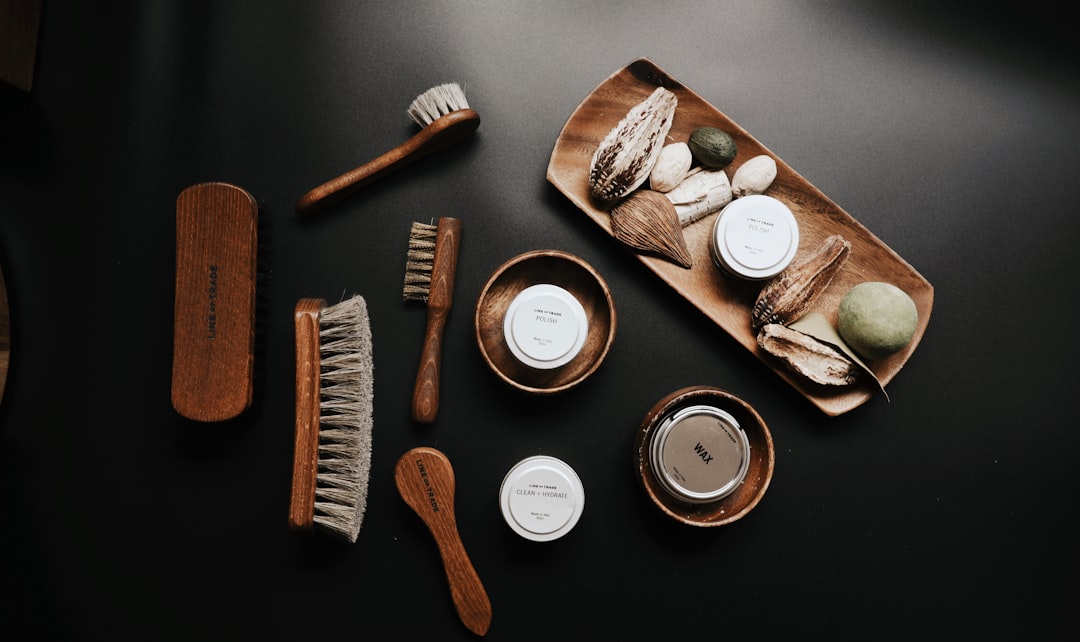
The Complete Guide to Cat Grooming As a cat owner, I’ve learned that maintaining my feline companion’s appearance is not the only thing that matters; it’s also very important for their general health & wellbeing. Frequent grooming can help my cat avoid infections & skin irritations by removing loose fur, dirt, and debris from their coat. Grooming also gives me the opportunity to look for any odd lumps, bumps, or skin issues that might need veterinary care. By including grooming in our daily routine, I can make sure my cat stays content and healthy. Also, I bond with my cat through grooming time.
Key Takeaways
- Regular grooming is important for your cat’s overall health and well-being
- Essential tools for cat grooming include a brush, comb, nail clippers, and cat-specific shampoo
- Brush your cat’s fur in the direction of hair growth to prevent tangles and mats
- Use a gentle cat shampoo and towel dry your cat after bathing to avoid stress
- Trim your cat’s nails regularly to prevent overgrowth and potential injury
A sense of comfort and trust can be established by the soft brushstrokes or the calming sound of running water during a bath. My cat seems to enjoy the attention and care I give her because she frequently purrs happily while I groom her. In addition to improving our relationship, this quality time together also helps us both feel less stressed. All things considered, grooming is a crucial habit that supports my cat’s mental & physical health.
The Proper Brush Selection. The first item on my list is a high-quality brush. I select a brush for my cat based on her coat type, whether it is long, medium, or short. To remove tangles and loose fur without causing discomfort, a slicker brush is an excellent tool for cats with long hair, like mine.
Other Crucial Tools. I also find that having a pair of grooming scissors on hand is really helpful, in addition to brushes. With the help of these specially made pet grooming scissors, I can cut any stray hairs or mats without worrying about hurting my cat. An entire grooming set.
| Technique | Effectiveness | Difficulty |
|---|---|---|
| Brushing | High | Low |
| Bathing | Medium | Medium |
| Nail trimming | High | Medium |
| Ear cleaning | Medium | Low |
In my grooming kit, I also keep a cat-specific nail clipper. To avoid overgrowth and to make sure my cat is comfortable when walking, regular nail trimming is crucial. I feel ready to take on any grooming challenge now that I have these tools at my disposal. I’ve discovered that brushing my cat’s fur requires technique just as much as the equipment I use. Before I give her the brush, I always begin by giving her a gentle pat to help her relax.
She gets used to my touch during this first contact, which also establishes a good rapport for the grooming session. When she appears at ease, I start brushing in the direction of her fur growth, being careful not to tug or pull. When I come across any mats or tangles, I approach them patiently. Rather than pulling at the fur, I gently separate the strands with my fingers before reusing the brush. If a mat is really difficult to remove, I might use a cat-specific detangling spray.
Without creating any discomfort, this product helps to loosen hair and facilitates the removal of tangles. By using these strategies, I can make sure that my cat and I continue to enjoy grooming. Although giving a cat a bath can seem like a difficult undertaking, it is possible to accomplish it successfully with the correct method.
I always begin by setting up my bathroom so that everything I need is close at hand, including towels, cat shampoo, and a non-slip mat for added safety. I make sure my cat is relaxed and at ease before letting her go near water. Bath time can be positively associated with a few treats. I use lukewarm water and wet her fur gradually when it’s time for the actual bath so as not to startle her. I carefully avoid her eyes and ears as I gently apply a tiny bit of cat-specific shampoo and lather.
I thoroughly rinse her, then cover her with a towel to absorb any remaining water before drying her. I’ve discovered that a pet dryer set to low heat can help expedite the drying process without sacrificing comfort. I use gentle conversation & treats to reward good behavior throughout the entire bathing experience.
One crucial aspect of my cat’s grooming regimen that I take very seriously is nail trimming. I always pick a calm setting where she feels safe in order to guarantee her safety during this process. I let her smell the nail clippers before I begin, & I commend her for her composure by giving her treats. This contributes to a favorable association with the clippers. I hold her paw gently and apply pressure to the pad to extend the claw when it’s time to trim her nails. Only the sharp tip of each nail is carefully clipped; the quick, the pink region inside the nail that houses blood vessels and nerves, is left untrimmed.
Instead of taking the chance of causing pain or bleeding, I would rather err on the side of caution and trim less if I’m not sure where the quick is. I praise her and give her treats when she completes a paw before going on to the next. Through positive reinforcement, this technique strengthens our relationship while also keeping her nails neat. A consistent grooming regimen.
Brushing has become a regular part of my grooming routine, occurring at least once a week. By doing this, I can get rid of loose fur before it gets on my clothes or furniture. digestion and nutrition. Also, I’ve discovered that giving my cat premium food that is high in omega fatty acids helps to maintain healthy skin and lessen excessive shedding.
Giving her fresh water every day will help her stay hydrated, which will also improve digestion and lessen the likelihood of hairballs forming. reduction of hairballs. Hairballs are still a problem in our home occasionally, even with my best efforts.
I give my cat special hairball control treats to help reduce hairballs because they facilitate digestion and keep hair from building up in her stomach. Through proactive measures, I can maintain control over hairballs & shedding while maintaining my cat’s comfort. Cats with long hair, like mine, may find mats and tangles to be a frustrating grooming challenge.
I take prompt action to remove any mats that appear in her fur before they get worse. I carefully go through the mat from the edges in the direction of the center using my fingers or a wide-toothed comb. In this situation, patience is essential because hurrying could cause her skin to be pulled and uncomfortable.
I might think about using a mat splitter or detangling tool made especially for pets if there are especially obstinate mats that won’t budge. With the aid of these instruments, my cat can break up mats without experiencing any discomfort or anxiety. If everything else fails and the mat is too bad to handle at home, I don’t think twice about getting advice from a professional groomer with experience in handling such problems. I can maintain the best-looking coat and my cat’s comfort by being on the lookout for mats & tangles.
I routinely examine her ears for any indications of debris or wax accumulation in order to provide proper ear care.
If required, I gently remove any debris from the ear canal using a cotton ball & an ear cleaner that the veterinarian recommends. In order to prevent problems like gum disease or tooth decay, dental health is equally important. I’ve incorporated frequent teeth brushing with cat-specific toothpaste into our routine to preserve my cat’s dental health. Starting out slowly with finger brushes can help her become accustomed to this process, even though it might take some time.
Her dental care routine can also be strengthened by offering dental treats or toys that encourage oral health. To sum up, grooming is a crucial component of responsible cat ownership that extends beyond appearances; it includes maintaining my cat’s health & fortifies my relationship with him. I can make sure my cat stays healthy, content, and well-groomed for the rest of her life by realizing how important it is and using practical methods with the appropriate equipment.
If you’re looking for more information on cat grooming, be sure to check out the article on kittydesires.com. This website offers a variety of resources and tips for keeping your feline friend looking and feeling their best. Whether you’re a seasoned cat owner or new to the world of pet care, you’re sure to find valuable information on grooming techniques and products to help keep your cat healthy and happy.
FAQs
What is cat grooming?
Cat grooming refers to the process of cleaning, maintaining, and enhancing the appearance of a cat’s fur, skin, and overall hygiene. This can include brushing, bathing, nail trimming, and ear cleaning.
Why is cat grooming important?
Regular grooming is important for cats to maintain a healthy coat, prevent matting, reduce shedding, and minimize hairballs. It also helps to prevent skin issues and allows for early detection of any health problems.
How often should I groom my cat?
The frequency of grooming depends on the breed, age, and health of the cat. Long-haired cats may require daily grooming, while short-haired cats may only need grooming a few times a week. Regular brushing is recommended for all cats to prevent matting and reduce shedding.
Can I groom my cat at home?
Yes, many cat owners groom their cats at home. Regular brushing, nail trimming, and ear cleaning can be done at home with the right tools and techniques. However, some cats may require professional grooming for tasks such as bathing or dematting.
What are the benefits of professional cat grooming?
Professional groomers have the expertise and tools to handle more complex grooming tasks, such as dematting, shaving, and handling difficult cats. They can also provide specialized treatments for skin and coat issues.
What are some common grooming tools for cats?
Common grooming tools for cats include brushes, combs, nail clippers, ear cleaners, and grooming wipes. Specific tools may vary depending on the cat’s coat type and grooming needs.
What should I consider when choosing a groomer for my cat?
When choosing a groomer for your cat, consider their experience with cats, their handling techniques, the cleanliness of their facility, and any certifications or training they may have. It’s also important to ensure that the groomer uses safe and gentle grooming practices.