Now Reading: Adorable Maine Coon Kittens: The Perfect Furry Companions
-
01
Adorable Maine Coon Kittens: The Perfect Furry Companions


The Maine Coon cat breed boasts a rich and storied history that is as captivating as the cats themselves. Originating in the United States, specifically in the state of Maine, these felines are believed to have descended from long-haired domestic cats brought to America by seafarers in the 19th century. One popular legend suggests that they are the result of a cross between domestic cats and the now-extinct Norwegian Forest cat, which was known for its robust build and thick fur, traits that are evident in modern Maine Coons.
This breed’s name is thought to derive from its home state, but some also speculate that “Coon” refers to the raccoon-like appearance of their bushy tails. Maine Coons gained popularity in the late 1800s, particularly after being showcased at cat shows. They were celebrated for their impressive size, tufted ears, and friendly demeanor.
The breed’s charm and adaptability made them favorites among farmers and families alike, as they were excellent hunters of rodents and pests. By the early 20th century, Maine Coons were recognized as one of the oldest natural breeds in North America. However, their numbers dwindled due to the rise of other breeds and World War I, which led to a decline in breeding efforts.
It wasn’t until the 1950s that dedicated breeders began to revive the Maine Coon population, leading to its resurgence in popularity and recognition as a distinct breed.
Key Takeaways
- Maine Coon kittens originated in the United States and have a rich history dating back to the 19th century.
- Maine Coon kittens are known for their friendly and sociable nature, making them great companions for families and individuals alike.
- When caring for Maine Coon kittens, it’s important to provide regular grooming, a balanced diet, and plenty of mental and physical stimulation.
- Training Maine Coon kittens can be a rewarding experience, as they are intelligent and can learn tricks and commands with patience and positive reinforcement.
- Regular veterinary check-ups, a nutritious diet, and plenty of exercise are essential for maintaining the health and wellness of Maine Coon kittens.
Characteristics and Personality Traits of Maine Coon Kittens
Physical Characteristics
One of the most notable features of Maine Coon kittens is their size; they are one of the largest domesticated cat breeds, with males typically weighing between 13 to 18 pounds and females ranging from 8 to 12 pounds. Their long, tufted ears and bushy tails contribute to their distinctive appearance, while their thick fur, which is water-repellent, allows them to thrive in various climates.
Unique Coat Patterns and Expressive Eyes
The coat comes in a wide array of colors and patterns, making each kitten unique. Their large, expressive eyes can be green, gold, or copper, adding to their captivating look.
Friendly and Sociable Nature
Beyond their physical attributes, Maine Coon kittens are celebrated for their friendly and sociable nature. They are often described as “gentle giants” due to their affectionate demeanor and playful spirit. These kittens tend to be curious and intelligent, making them quick learners who enjoy interactive play. Unlike some breeds that may be aloof or independent, Maine Coons thrive on companionship and often form strong bonds with their human families. They are known for their dog-like behavior; many will follow their owners around the house and even engage in games of fetch. This sociability makes them excellent pets for families with children or other animals.
Caring for Maine Coon Kittens: Tips and Tricks
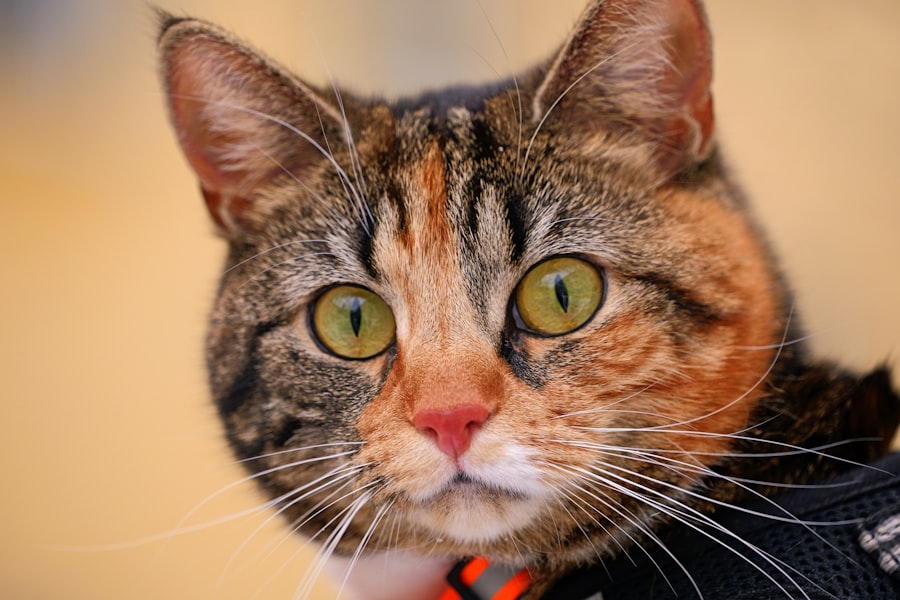
Caring for Maine Coon kittens requires attention to their specific needs, given their unique characteristics and energetic nature. One of the first considerations is nutrition; high-quality kitten food is essential for their growth and development. Look for brands that list meat as the primary ingredient and avoid those with excessive fillers like corn or soy.
Since Maine Coons are larger than average cats, they may require more calories than smaller breeds. It’s advisable to consult with a veterinarian to determine the appropriate feeding schedule and portion sizes based on the kitten’s age and weight. Grooming is another critical aspect of caring for Maine Coon kittens.
Their long fur can become matted if not properly maintained, so regular brushing is necessary to keep their coats healthy and free from tangles. A slicker brush or a wide-toothed comb can be effective tools for this task. Additionally, introducing grooming sessions early on can help your kitten become accustomed to the process, making it easier as they grow older.
Bathing should be done sparingly unless necessary, as excessive bathing can strip their fur of natural oils. Regular nail trimming and dental care are also important components of a comprehensive grooming routine. For more information on Maine Coon kitten care, you can visit the ASPCA website.
Training Maine Coon Kittens: What You Need to Know
| Topic | Details |
|---|---|
| Training Method | Positive reinforcement |
| Training Age | Start at 8-10 weeks old |
| Training Duration | Consistent daily sessions |
| Training Challenges | Patience and consistency |
| Training Rewards | Treats, praise, and playtime |
Training Maine Coon kittens can be a rewarding experience due to their intelligence and eagerness to please. Start with basic commands such as “sit,” “stay,” and “come.” Using positive reinforcement techniques—like treats or praise—can significantly enhance the training process. For instance, when your kitten successfully follows a command, reward them immediately to reinforce the behavior.
Consistency is key; practice these commands regularly in short sessions to keep your kitten engaged without overwhelming them. Socialization is another crucial aspect of training for Maine Coon kittens. Exposing them to various environments, sounds, and people can help them develop into well-adjusted adult cats.
Gradually introduce your kitten to different experiences, such as car rides or visits to friends’ homes. This exposure will help them become more adaptable and less fearful of new situations. Additionally, consider providing interactive toys that stimulate their minds; puzzle feeders or toys that dispense treats can keep them entertained while encouraging problem-solving skills.
Health and Wellness of Maine Coon Kittens
Maintaining the health and wellness of Maine Coon kittens involves regular veterinary check-ups and vaccinations.
Regular vet visits not only ensure that your kitten is up-to-date on vaccinations but also allow for early detection of any potential health issues.
Maine Coons are generally healthy cats; however, they can be predisposed to certain genetic conditions such as hypertrophic cardiomyopathy (HCM), a heart disease that affects many feline breeds. In addition to routine veterinary care, monitoring your kitten’s diet and weight is essential for long-term health. Obesity can lead to various health problems, including diabetes and joint issues.
Providing a balanced diet tailored to their age and activity level will help maintain a healthy weight. Regular exercise is also vital; engaging your kitten in playtime with interactive toys can help burn off excess energy while promoting physical fitness. Furthermore, dental health should not be overlooked; incorporating dental treats or toys into your kitten’s routine can aid in preventing dental disease.
Maine Coon Kittens and Other Pets: Compatibility and Tips
Gradual Introduction is Key
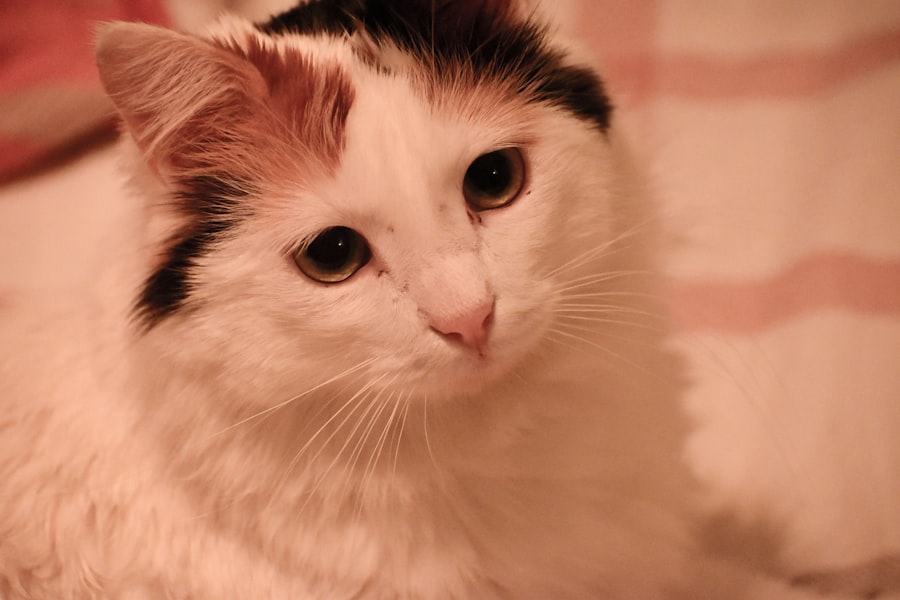
When bringing a new Maine Coon kitten into a home with existing pets, it’s essential to facilitate a gradual introduction process. This can be achieved by allowing the animals to become familiar with each other’s scents before any face-to-face meetings occur. Swapping bedding or using pheromone diffusers designed to reduce stress during introductions can help with this process.
Supervise Interactions and Provide Separate Spaces
Once the initial introductions have taken place, supervise interactions closely until you are confident that all pets can coexist peacefully. Providing separate spaces for each pet can help reduce territorial disputes while allowing them to feel secure in their environment.
Fostering Positive Associations
Engaging all pets in playtime can foster positive associations between them. Using interactive toys that encourage group play can be particularly effective in building camaraderie among your pets. By following these steps, you can create a harmonious multi-pet household where your Maine Coon kitten can thrive.
Finding the Perfect Maine Coon Kitten: Where to Look and What to Consider
When searching for the perfect Maine Coon kitten, it’s essential to consider reputable sources that prioritize health and ethical breeding practices. Start by researching local breeders who specialize in Maine Coons; reputable breeders will provide health clearances for both parents and offer insights into the kitten’s lineage. Visiting the breeder’s facility allows you to assess the living conditions of the kittens and their parents firsthand, ensuring they are raised in a clean and nurturing environment.
In addition to breeders, consider adopting from rescue organizations or shelters that focus on purebred cats. Many Maine Coons find themselves in need of homes due to unforeseen circumstances rather than behavioral issues. Adopting from a rescue not only provides a loving home for a cat in need but also supports responsible pet ownership practices.
Regardless of where you choose to find your kitten, ensure you ask questions about health history, temperament, and socialization efforts made during their early development.
Fun Activities and Games for Maine Coon Kittens
Maine Coon kittens are playful creatures that thrive on mental stimulation and physical activity. Engaging them in fun activities not only helps channel their energy but also strengthens the bond between you and your pet.
Rotating toys regularly keeps playtime fresh and exciting; consider incorporating puzzle toys that dispense treats as an added challenge. Another enjoyable activity is creating an obstacle course using household items like boxes or tunnels. This encourages exploration while providing physical exercise as your kitten navigates through various challenges.
Additionally, consider setting aside time for training sessions that incorporate tricks or commands; this not only stimulates their minds but also reinforces positive behaviors through rewards. Engaging in these activities will ensure your Maine Coon kitten remains happy, healthy, and well-adjusted as they grow into adulthood.
If you are considering getting a Maine Coon kitten, you may also be interested in learning about how to de-stress your cats. According to Kitty Desires, there are various ways to help your feline friend relax and feel more comfortable in their environment. Maine Coon kittens, known for their friendly and sociable nature, can benefit from a calm and stress-free home.
FAQs
What are Maine Coon kittens?
Maine Coon kittens are a breed of domestic cat known for their large size, tufted ears, and bushy tails. They are one of the oldest natural breeds in North America and are known for their friendly and sociable nature.
How big do Maine Coon kittens get?
Maine Coon kittens can grow to be quite large, with males typically reaching 13-18 pounds and females reaching 8-12 pounds. They are one of the largest domesticated breeds of cats.
What is the temperament of Maine Coon kittens?
Maine Coon kittens are known for their friendly and sociable nature. They are often described as “gentle giants” and are typically good with children and other pets. They are also known for their intelligence and playful personalities.
What is the average lifespan of Maine Coon kittens?
Maine Coon kittens have a relatively long lifespan compared to other breeds of cats, typically living 12-15 years. With proper care and regular veterinary check-ups, some Maine Coon cats can live even longer.
What are the grooming needs of Maine Coon kittens?
Maine Coon kittens have a semi-long, water-repellent coat that requires regular grooming to prevent matting and tangles. They should be brushed at least a few times a week, and more frequently during shedding seasons.
Are Maine Coon kittens prone to any health issues?
Maine Coon kittens are generally healthy cats, but they can be prone to certain health issues such as hip dysplasia, hypertrophic cardiomyopathy, and spinal muscular atrophy. It’s important for owners to be aware of these potential health concerns and to provide regular veterinary care.