
Now Reading: Identifying Cat Fleas: Symptoms and Signs
-
01
Identifying Cat Fleas: Symptoms and Signs


Cat fleas, scientifically known as Ctenocephalides felis, are small, wingless insects that thrive on the blood of mammals, particularly domestic cats. These parasites are not only a nuisance but can also pose significant health risks to both pets and their human companions. Fleas are adept at jumping long distances, which allows them to easily transfer from one host to another.
Their life cycle is complex, consisting of several stages: egg, larva, pupa, and adult. Understanding this life cycle is crucial for effective flea control and prevention. The prevalence of cat fleas is a global issue, with infestations occurring in homes, shelters, and outdoor environments.
Fleas can reproduce rapidly; a single female flea can lay up to 50 eggs per day. This exponential growth means that a small infestation can quickly escalate into a larger problem if not addressed promptly. The presence of fleas can lead to various health complications for cats, including allergic reactions, anemia, and the transmission of tapeworms.
Therefore, recognizing the signs of flea infestations early is essential for maintaining the health and well-being of your feline friend.
Key Takeaways
- Cat fleas are small, wingless insects that feed on the blood of cats and can cause a range of physical and behavioral symptoms.
- Physical symptoms of cat fleas include excessive scratching, hair loss, and the presence of flea dirt on the cat’s skin.
- Behavioral signs of cat fleas may include restlessness, irritability, and excessive grooming.
- Flea dirt, or flea feces, can be identified as small black specks on the cat’s skin and fur, indicating the presence of fleas.
- Flea bites on the cat’s skin can appear as small red bumps or raised welts, often accompanied by intense itching.
Physical Symptoms of Cat Fleas
Hair Loss and Skin Irritation
One common physical symptom is hair loss or thinning fur, particularly around the neck and tail areas. This occurs as cats scratch or bite at their skin in response to the irritation caused by flea bites. Over time, this excessive grooming can lead to bald patches and even skin infections.
Flea Dirt: A Telltale Sign
Another physical symptom associated with cat fleas is the presence of flea dirt, which resembles small black specks or grains of pepper. This flea dirt is actually digested blood that fleas excrete after feeding. When you notice these dark specks on your cat’s fur or bedding, it is a strong indication that fleas are present.
Skin Lesions and Hot Spots
Some cats may develop skin lesions or hot spots due to the constant scratching and biting at their skin.
Behavioral Signs of Cat Fleas

In addition to physical symptoms, behavioral changes in cats can also signal the presence of fleas. One of the most notable behavioral signs is increased scratching or grooming. Cats are known for their grooming habits; however, if you observe your cat obsessively scratching or licking certain areas of its body, it may be a response to flea irritation.
This behavior can become compulsive, leading to further skin damage and discomfort. Another behavioral change that may indicate a flea problem is restlessness or agitation. Cats infested with fleas may exhibit signs of distress as they attempt to rid themselves of the irritating pests.
You might notice your cat pacing around the house, frequently changing resting spots, or even hiding in unusual places as it seeks relief from the discomfort caused by fleas. In some cases, cats may also become more vocal or irritable due to the constant annoyance of flea bites.
Identifying Cat Fleas through Flea Dirt
| Method | Accuracy | Cost |
|---|---|---|
| Flea combing | High | Low |
| Flea dirt inspection | Medium | Low |
| Professional inspection | High | High |
Flea dirt serves as a critical diagnostic tool for identifying flea infestations in cats. This substance is composed of digested blood that fleas leave behind after feeding. To confirm the presence of fleas using flea dirt, pet owners can perform a simple test.
By taking a damp paper towel or cloth and rubbing it over the suspected area where flea dirt is found, any black specks will turn red if they are indeed flea dirt, indicating that blood is present. Flea dirt can often be found in areas where cats like to rest or groom themselves, such as their bedding or favorite lounging spots. It may also accumulate in the fur around the neck and tail regions.
Identifying flea dirt is crucial because it not only confirms an infestation but also helps gauge its severity. A significant amount of flea dirt suggests a larger population of fleas and necessitates immediate action to address the problem.
Identifying Cat Fleas through Flea Bites
Flea bites are another clear indicator of an infestation and can be identified by examining your cat’s skin for signs of irritation and inflammation. Flea bites typically appear as small red bumps or welts on the skin, often accompanied by itching and discomfort. These bites can be particularly pronounced on areas where cats have thinner fur or less protective skin, such as the belly and inner thighs.
In addition to visible bite marks, some cats may develop allergic reactions to flea saliva, leading to more severe symptoms such as hives or dermatitis. This condition, known as flea allergy dermatitis (FAD), can cause intense itching and discomfort for affected cats. If you notice your cat exhibiting signs of excessive scratching or biting at its skin along with visible bite marks, it is essential to take action promptly to alleviate its suffering and prevent further complications.
Identifying Cat Fleas through Excessive Grooming
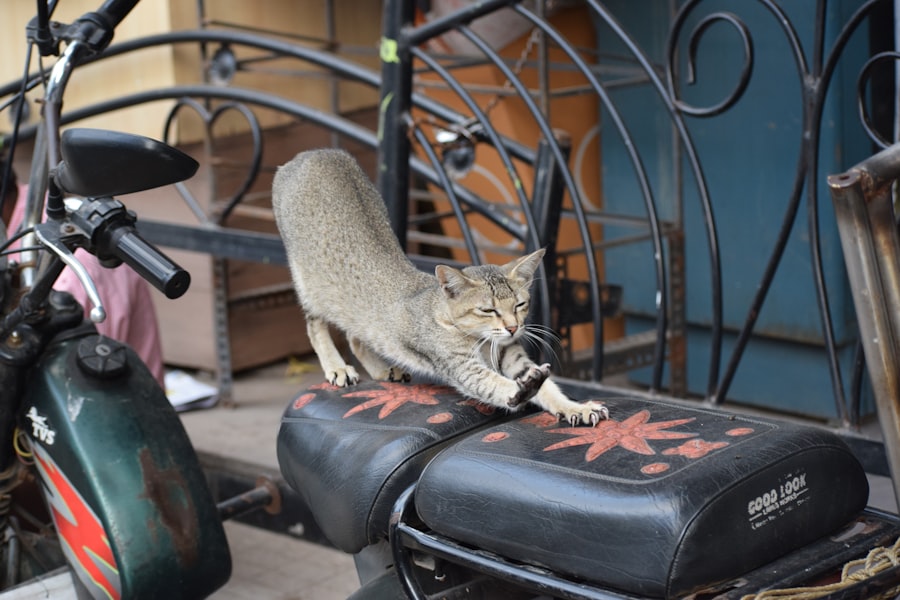
Excessive grooming is a behavior that often accompanies flea infestations in cats. While grooming is a natural part of feline behavior, an increase in grooming frequency or intensity can indicate that your cat is trying to alleviate discomfort caused by fleas. Cats may focus their grooming efforts on specific areas where fleas are most active, such as the neck, back, and tail.
This compulsive grooming behavior can lead to further issues such as hair loss and skin irritation. In severe cases, cats may develop sores or lesions from incessant licking and biting at their skin. Observing your cat’s grooming habits closely can provide valuable insights into its health status; if you notice a sudden change in grooming behavior, it may be time to investigate for potential flea infestations.
Identifying Cat Fleas through Skin Irritation
Skin irritation is a common consequence of flea infestations and can manifest in various forms. When fleas bite a cat, they inject saliva into the skin, which can trigger allergic reactions in some animals. This reaction often results in redness, swelling, and inflammation around the bite sites.
In addition to localized irritation, some cats may develop generalized skin conditions such as dermatitis due to prolonged exposure to fleas. To identify skin irritation caused by fleas, pet owners should conduct regular examinations of their cat’s skin and coat. Look for signs of redness, swelling, or scabs that may indicate an allergic reaction or secondary infections resulting from scratching.
If you observe any concerning symptoms, it is advisable to consult with a veterinarian for appropriate diagnosis and treatment options.
Conclusion and Treatment for Cat Fleas
Addressing a flea infestation requires a comprehensive approach that includes both immediate treatment for the affected cat and preventive measures for the home environment. Treatment options vary from topical treatments and oral medications to flea collars and shampoos specifically designed to eliminate fleas at various life stages. It is essential to consult with a veterinarian to determine the most effective treatment plan tailored to your cat’s specific needs.
In addition to treating the cat itself, it is crucial to address the surrounding environment where fleas may reside in their various life stages.
Regular preventive measures such as monthly topical treatments or oral medications can significantly reduce the risk of future infestations.
By being vigilant about recognizing the signs of cat fleas and taking prompt action when necessary, pet owners can ensure their feline companions remain healthy and comfortable in their homes. Understanding the complexities of flea infestations empowers pet owners to take proactive steps toward prevention and treatment, ultimately enhancing the quality of life for both cats and their human families.
If you suspect your cat may have fleas, it’s important to be aware of the symptoms to look out for. Common signs of cat flea infestations include excessive scratching, hair loss, and red bumps or scabs on the skin. For more information on how to identify and treat cat fleas, check out this informative article on kittydesires.com.
FAQs
What are the symptoms of cat fleas?
The symptoms of cat fleas may include excessive scratching, biting, or licking of the skin, hair loss, red or irritated skin, and the presence of small black specks (flea dirt) on the cat’s fur.
Can cat fleas cause health problems for cats?
Yes, cat fleas can cause health problems for cats, including allergic reactions, skin infections, and anemia (in severe infestations).
How can I tell if my cat has fleas?
You can tell if your cat has fleas by looking for the symptoms mentioned above, as well as by using a fine-toothed comb to check for the presence of fleas or flea dirt in your cat’s fur.
What should I do if I suspect my cat has fleas?
If you suspect your cat has fleas, you should consult with a veterinarian for a proper diagnosis and treatment plan. Additionally, you should thoroughly clean and treat your cat’s living environment to prevent re-infestation.
Can cat fleas infest humans or other pets?
Yes, cat fleas can infest humans and other pets, so it’s important to take measures to prevent and treat flea infestations in all household animals.


