
Benefits of Owning a Cat: 12 Ways Cats Make Life Better


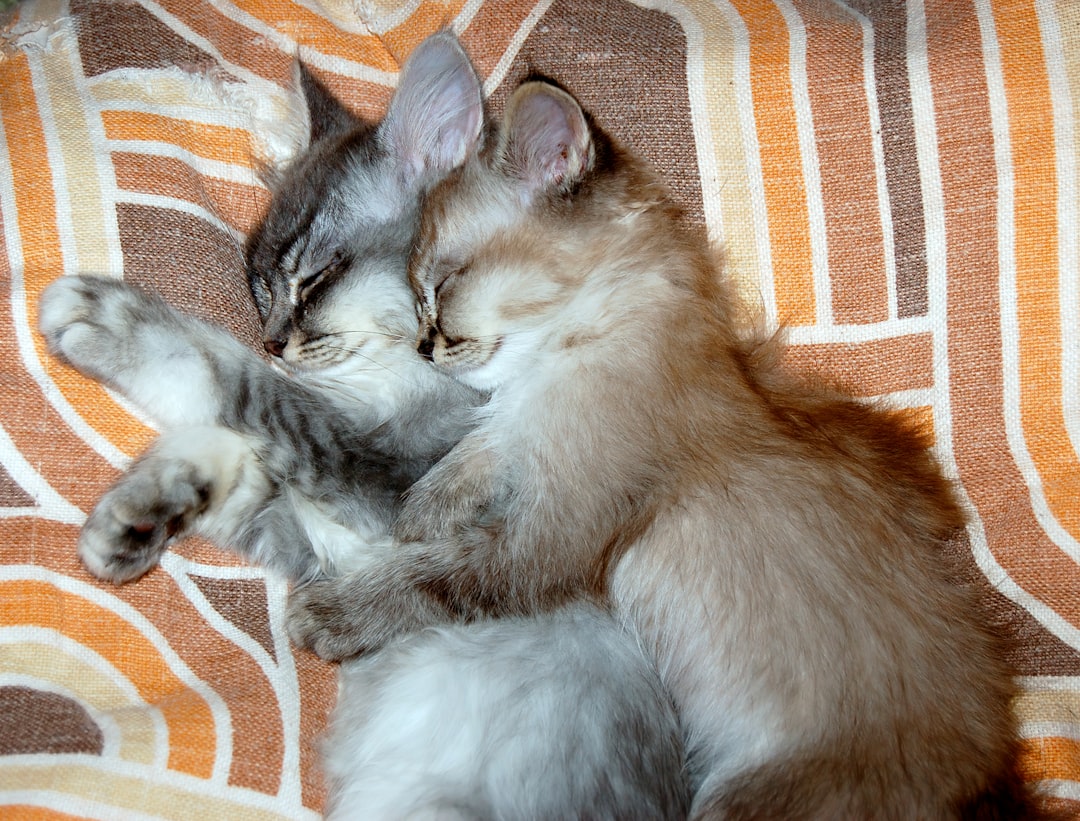
The short answer: cats offer companionship, comfort and plenty of entertainment, and they fit well into busy lives and smaller homes. Many owners find that stroking a purring cat helps them relax, and one large US study found that people who had owned a cat had a lower risk of dying from a heart attack, although that kind of study can’t prove the cat was the cause. Cats do still need daily care, vet visits and a commitment of 15 years or more, so it’s worth weighing up the downsides too.
Our experience: Sylvester, our black and white cat, turned up at our house over seven years ago and decided to stay. He’s been part of the family ever since, and the house would feel very empty without him. Ryan
12 benefits of owning a cat
1. Companionship
Cats form real bonds with their owners. Many follow you from room to room, greet you at the door and choose to sleep near you. For people who live alone, a cat can make home feel much less empty.
2. Stress relief
Stroking a soft, purring cat is calming for many people, and a cat’s daily routine can be a welcome reminder to slow down. If you’ve ever had a cat curl up on your lap after a hard day, you’ll know the feeling. Read more about why cats purr.
3. A possible link with heart health
In a study of about 4,400 American adults followed for up to 20 years, Qureshi and colleagues (2009) found that people who had owned a cat in the past had a lower risk of dying from a heart attack than people who never had, even after allowing for things like age, blood pressure, smoking and cholesterol. This was an observational study, so it shows a link, not proof. People who choose cats may already have calmer lifestyles.
4. Good for busy people
Cats don’t need walking, and most are happy on their own during a working day, as long as they have food, water, a clean litter box and things to do. That makes them a good fit for people who work or study.
5. Suited to smaller homes
A cat can live happily in a flat or apartment with enough play, climbing spaces and scratching posts. See should an indoor cat go outside? for how to keep indoor cats happy.
6. Clean and easy to house-train
Cats groom themselves and use a litter box naturally, often from just a few weeks old. Most need only occasional brushing. See our cat grooming guide.
7. Daily entertainment
Zoomies at midnight, chasing a toy across the floor, squeezing into boxes far too small for them: cats are endlessly funny to watch. A few good cat toys make playtime fun for both of you.
8. Routine and purpose
Feeding times, play sessions and a cat insisting on breakfast at 6 am give your day structure. Caring for an animal gives many people a sense of purpose, especially during difficult times.
9. Great for children
Growing up with a cat can teach children kindness, gentleness and responsibility. Always supervise young children, and teach them to let the cat come to them.
10. They talk to you
Cats meow mainly to communicate with people, and many develop their own “conversations” with their owners. Learn what your cat is saying in our guide to why cats meow.
11. Natural pest control
Outdoor cats often hunt mice and other small animals. It’s an instinct, not something to encourage. Hunting also harms wildlife, which is one reason many owners keep cats indoors or use a bell collar.
12. Giving a cat a home
Adopting a cat from a shelter gives it a second chance. See our guide to adopting a cat. Not ready to commit? Spending time at a cat café is a good way to meet cats first.
The honest downsides
Cats are wonderful, but they aren’t the right choice for everyone. Before you get one, think about:
| Downside | What it means |
|---|---|
| Long commitment | Many cats live into their mid-teens or longer. See cat years in human years. |
| Ongoing costs | Food, litter, flea and worm treatment, vaccinations, insurance and unexpected vet bills |
| Allergies | Cat allergies are common. See cat allergies and hypoallergenic cats. |
| Scratching | Cats need to scratch, so give them posts. See how to stop a cat scratching furniture. |
| Litter box | Needs scooping every day |
| Holidays | You’ll need a cat sitter or cattery when you’re away |
| Other pets | Introductions take time. See cats and dogs. |
If you’re pregnant, cats are still safe to keep with a few precautions. See cat litter and pregnancy.
FAQs
What are the benefits of owning a cat?
Companionship, comfort, stress relief, daily entertainment and a sense of routine. Cats also suit busy people and smaller homes because they don’t need walking.
Are cats good for your mental health?
Many owners say their cat helps them feel calmer and less lonely. Research is mixed on how big the effect is, but for many people a cat is a real source of comfort.
Is owning a cat good for your heart?
A large US study found that people who had owned a cat had a lower risk of dying from a heart attack. It shows a link, not proof that cats were the cause.
Are cats easier to look after than dogs?
Usually, yes. Cats don’t need walks, are naturally clean and cope better with being alone during the day. They still need daily food, water, litter, play and regular vet care.
Is a cat a good first pet?
Yes, for families or adults who can commit to daily care and vet costs for many years. An adult cat with a known, calm personality is often easiest for first-time owners. See our cat care checklist.
Sources
- Qureshi A.I. et al. (2009), Journal of Vascular and Interventional Neurology: Cat ownership and the risk of fatal cardiovascular diseases


