Turkish Angora Cat: Personality, Care, Deafness and Kitten Price


In this guide
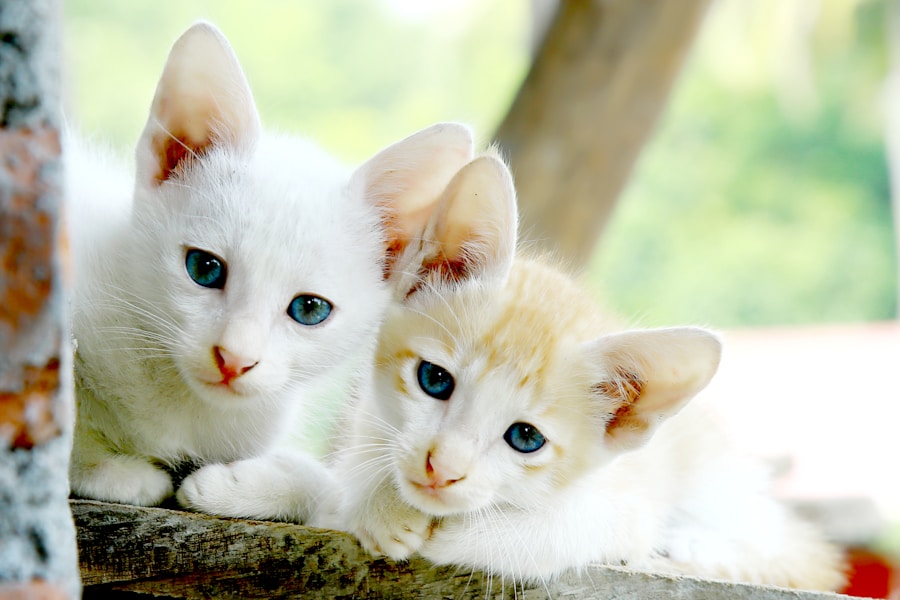
The short answer: the Turkish Angora (often just called the angora cat) is an ancient, long-haired breed from Turkey, famous for its silky white coat and blue, amber or odd-coloured eyes. It actually comes in many colours. Angoras are clever, playful, chatty and active cats that like to be in charge. Their single coat is easy to care for for a long-haired cat. The main health issue is deafness in white cats with blue eyes, and some lines can get the heart disease HCM. Kittens are rare and usually cost around $1,000 to $2,000 from a breeder.
Looking for angora rabbits or goats? This page is about the Turkish Angora cat.
Turkish Angora at a glance
| Trait | Turkish Angora |
|---|---|
| Origin | Turkey, around Ankara (once called Angora) |
| Size | Medium, slim and elegant. PetMD gives about 8 to 15 lb (3.5 to 7 kg). |
| Coat | Medium-long, fine and silky, with no undercoat, so it rarely mats |
| Colours | White is classic, but also black, blue, red, cream, tabby, smoke, calico, tortoiseshell and more |
| Eyes | Blue, green, amber, copper, or odd eyes (one of each colour) |
| Personality | Intelligent, playful, chatty, active, likes to be in charge |
| Grooming | Comb two or three times a month, more when shedding |
| Health watch-outs | Deafness in blue-eyed white cats, HCM |
| Price | Usually around $1,000 to $2,000 (PetMD) |
History: a national treasure of Turkey
The Turkish Angora is one of the oldest natural cat breeds. It comes from the region around Ankara, Turkey’s capital, which used to be called Angora.
The Cat Fanciers’ Association (CFA) explains that in the early 1900s, Angoras were bred so heavily with Persians, to improve the Persian’s coat, that the original breed almost disappeared. To save its national breed, Turkey set up breeding programmes at zoos in the 1930s, focusing on the white cats. The Ankara Zoo programme still breeds white Angoras today.
The first Turkish Angoras reached the United States in the 1950s and 1960s. At first only white cats were accepted, but today the breed is recognised in almost every colour.
What does a Turkish Angora look like?
- Coat: medium-long, fine and silky, with a full, plumed tail. The CFA says it’s so soft “you need to feel it to believe it”. It’s shorter in summer and fuller in winter.
- Body: long, slim and fine-boned, but muscular. Angoras are graceful and athletic.
- Head: medium-long and wedge-shaped, with large, pointed ears, often with tufts.
- Eyes: large and almond-shaped, in blue, green, amber or copper. Odd eyes are common in white cats and much admired.
Turkish Angora vs Turkish Van vs Persian
| Breed | Coat | Look | Personality |
|---|---|---|---|
| Turkish Angora | Silky, single coat, rarely mats | Slim and elegant, wedge-shaped head | Clever, active, chatty, bossy |
| Turkish Van | Semi-long, water-resistant | Bigger and more solid. Usually white with coloured head and tail. | Energetic, famously likes water |
| Persian | Long and thick with an undercoat, mats easily | Cobby body, flat face | Calm and gentle, needs daily grooming |
Turkish Angora personality
- Intelligent and curious. Angoras learn quickly, open doors and cupboards, and love puzzle toys.
- Active and playful well into adulthood. They love to climb, so give them cat trees and high shelves.
- Chatty. PetMD calls them one of the most talkative cat breeds.
- Likes to be in charge. They often rule the house, including other pets, but usually get on well with other cats and cat-friendly dogs after slow introductions. See cats and dogs.
- Affectionate on its own terms. Many love being near you but don’t always enjoy being held.
- Often fascinated by water. The CFA notes that some have even joined their owners in the shower!
Angoras suit active homes where someone is around a lot. If you’re out all day, consider two cats, and plenty of toys.
Turkish Angora health problems
Deafness in white cats
White cats with blue eyes have a higher risk of being born deaf. PetMD cites the Cornell Feline Health Center figure that 65 to 85% of all-white cats with two blue eyes are deaf. White cats with one blue eye may be deaf on that side. The CFA says responsible breeders breed white cats to coloured cats to reduce the risk, and some countries require a BAER hearing test for white kittens.
Deaf cats can live happy lives, but they should be kept indoors or in a secure catio, as they can’t hear cars or danger. Choosing a coloured Angora avoids the worry about deafness.
Heart disease (HCM)
Hypertrophic cardiomyopathy (HCM) thickens the heart muscle and can lead to heart failure. PetMD lists it as a health issue in the breed. Cats often show no signs at first, and it may only be found when a vet hears a heart murmur. Ask breeders whether the parents have had heart scans.
Sun protection
White cats are more prone to sunburn and skin cancer on the ears and nose. Limit midday sun, especially for cats that go outside.
Angoras are otherwise generally healthy and often live well into their teens. Keep up with yearly vet check-ups. See common cat health problems.
Grooming and care
- Grooming: because Angoras have no undercoat, their coat rarely mats. The CFA says combing two or three times a month is usually enough, with more during the spring shed and for older cats. See our cat grooming guide.
- Eyes and ears: wipe away any tear staining on white cats, and check ears weekly.
- Teeth: brush if your cat allows it. See cat dental care.
- Food: a complete and balanced food, measured to keep your slim Angora at a healthy weight. See choosing the best cat food.
- Exercise and enrichment: climbing trees, window perches, puzzle feeders and daily play.
Angora kittens: price and finding a breeder
PetMD says Turkish Angora kittens usually cost around $1,000 to $2,000, and that retired adult breeding cats may cost less. They are a rare breed, so expect a waiting list.
- Choose a registered breeder (for example, with the CFA or TICA) and meet the kittens and their mum.
- For white kittens, ask for a hearing (BAER) test.
- Ask about heart screening of the parents.
- Kittens usually go home at about 12 weeks or older, vaccinated and microchipped.
- Be wary of “Angora” kittens sold cheaply online: many are simply fluffy white cats with no pedigree. That’s fine if you just want a lovely cat, but not if you’re paying pedigree prices.
New kitten on the way? See our kitten care guide and the best food for kittens. For other big personalities, see our guides to unique cat breeds and big cat breeds.
FAQs
Is an angora cat the same as a Turkish Angora?
Yes. “Angora cat” usually means the Turkish Angora, a natural breed from Turkey. The name comes from Angora, the old name for Ankara.
Are all Turkish Angoras white?
No. White is the best-known colour, but Turkish Angoras come in almost every colour and pattern, including black, red, cream, blue, tabby, smoke and calico.
Are Turkish Angoras deaf?
Most aren’t. But white cats with two blue eyes have a high risk of deafness. Cornell estimates 65 to 85% of all-white, blue-eyed cats are deaf. Coloured Angoras don’t have this risk.
Do Turkish Angoras shed a lot?
They shed moderately, mostly in spring when they lose their winter coat. Their single coat rarely mats, so a comb a few times a month is usually enough.
How much is a Turkish Angora kitten?
Usually around $1,000 to $2,000 from a registered breeder, according to PetMD. Prices vary by country, colour and breeder.
Are Turkish Angoras good family cats?
Yes, for active families. They’re playful, sociable and smart, but they like to be busy and in charge, so they’re happiest with company and plenty to do.
Sources
- Cat Fanciers’ Association: Turkish Angora
- PetMD: Turkish Angora cat breed health and care